I Paid $600,000 for a 1911 Fire Station and Turned It Into My Home. Then the City Found a Clause Saying It Belonged to Them the Day It Stopped Saving Lives
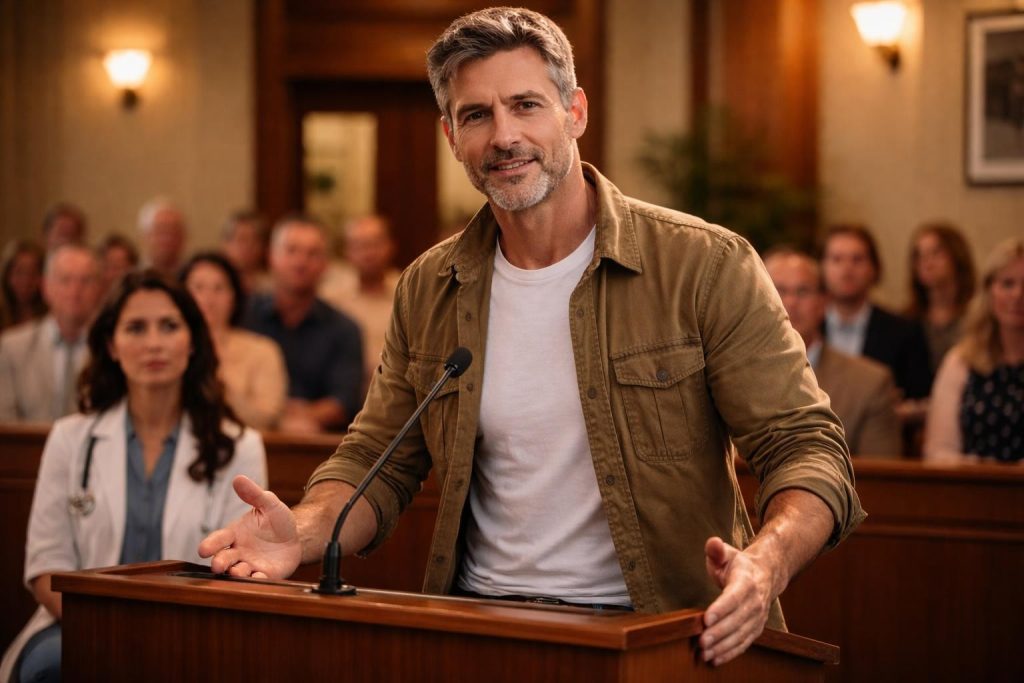
The council chamber was full on Thursday night.
Dr. Rachel Fairweather was forty-four, small, serious, in scrubs under her coat because she’d driven straight from a shift. She stood at the podium and didn’t use notes.
She told the council about her great-great-grandfather, the town doctor, who rode a horse to house calls in 1911 and watched too many families lose everything to fire because the volunteers had to come from too far away. He gave the land so the station could be built in the middle of town.
Then she told them about her emergency room.
About the patients from Lewisburg who arrived too late. Heart attacks. Strokes. A child who choked. The difference between four minutes and eleven.
“I don’t want Mr. Bannerman’s house,” she said. “I want my great-great-grandfather’s promise kept.”
She sat down.
The room was silent.
Everyone turned to look at me.
I stood up. I walked to the podium.
I’d prepared a speech about property rights and title insurance and the money I’d spent.
I didn’t give it.
“My grandfather was a volunteer at that station for thirty-one years,” I said. “He used to tell me the bell was the most important sound in town. Because it meant somebody was coming.”
I looked at Dr. Fairweather.
“She’s right,” I said. “Eleven minutes is too long.”
Then I said the thing that surprised everyone in the room.
Including me.
“I’d like to keep living there,” I said. “But I’d like the engine bay to save lives again.”